
Meena from Indore buys a pressure cooker on your app, from some little shop in Rajkot she’s never heard of. Three weeks later, she gets a WhatsApp message from that same seller, offering a “special discount” on mixer grinders. Then another. Then a call.
She never gave the seller her number. Or did she? She gave it to you. And you passed it on.
And there’s the whole problem with DPDP compliance for e-commerce marketplaces, really. You’re the middleman, and data leaks out in both directions if you let it. Here’s how to manage it.
Why marketplaces have it harder
A regular online store has one set of customers. A marketplace has two. Buyers hand over addresses, phone numbers and payment details. Sellers, many of them sole proprietors, hand over PAN, GST details, bank accounts and personal IDs. Both are Data Principals under the DPDP Act.
Then there’s the scale. Large marketplaces have crores of users, and that size brings extra rules. Under Rule 8 and the Third Schedule, an e-commerce entity with at least two crore registered users in India must erase a user’s data after three years of inactivity, with a 48-hour warning first.
The main rules switch on from 13 May 2027. Get security badly wrong and the cap is ₹250 crore. Hide a breach and it’s up to ₹200 crore.
Sale season makes it worse. New sellers, temp staff with dashboard access, overnight campaigns. Build privacy checks into the sale playbook and January’s clean-up gets much shorter.
Why the founder should care
Marketplaces live on trust from both sides. Buyers need to believe their details won’t be misused. Sellers need to believe their business data won’t leak to rivals. Lose either side’s trust, and the flywheel slows.
And honestly, you’re halfway there already if you take the consumer protection side seriously. The e-commerce rules and the dark patterns guidelines want much the same thing.
What the Act expects from a marketplace
The Act is picky about consent. People have to know what they’re agreeing to, agree to one clear thing at a time, and actually do something to say yes. That rules out pre-ticked boxes and consent hidden inside terms of service. It also means you can’t make marketing consent a condition of buying something.
| The law says | You decide | |
|---|---|---|
| Consent | Specific and freely given, for a stated purpose | How you separate order data from marketing |
| Sellers | Data shared only for a lawful purpose | What sellers see, and for how long |
| Inactive users | Erase after three years for large platforms | How you warn users and log deletions |
| Security | Reasonable safeguards, logs kept a year | Your tools and access model |
Illustrative summary of the DPDP Act and Rules, not legal advice.
A key question is roles. When a seller gets a buyer’s address to ship an order, is the seller your processor or a separate fiduciary? It depends on your model and contracts. Whichever way you go, pin it down, since that’s who the angry customer ends up dealing with.
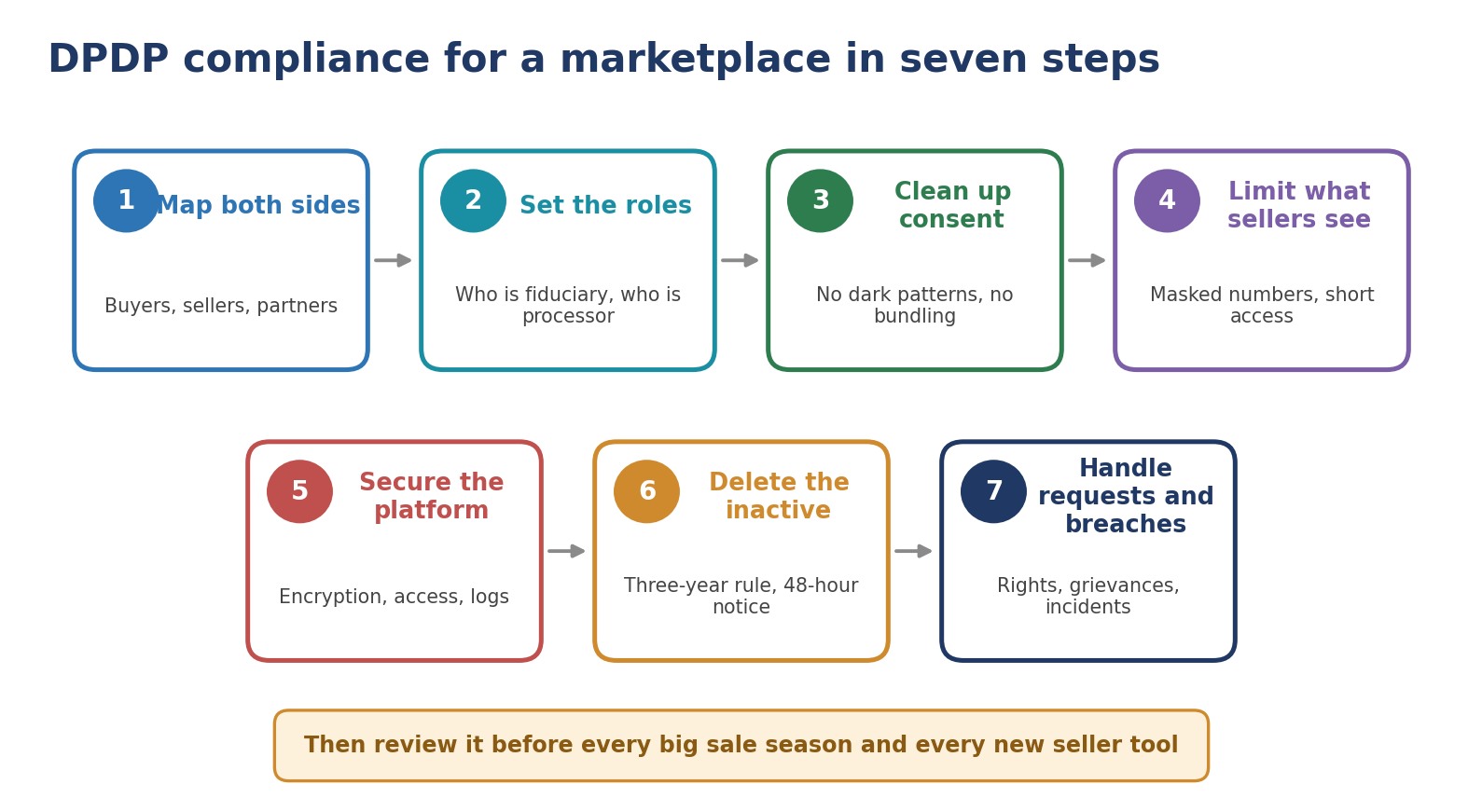
Figure 1. DPDP compliance for an e-commerce marketplace in seven steps.
Running DPDP compliance for e-commerce marketplaces in seven steps
Here’s a practical order for most marketplaces.
1. Map both sides. Trace buyer data from sign-up to delivery and returns. Trace seller data from onboarding to payouts. List every partner in between, including logistics, payments, ads and support vendors.
2. Set the roles. Go partner by partner. Is this one just doing a job for you, or using the data for its own ends too? Put the answer in writing. A courier, a seller and a payment gateway rarely land in the same box.
3. Tidy up the yes. What you need to ship an order is one thing. Marketing is another, and it gets its own question. Lose the pre-ticked boxes and the toggles nobody understands, and let people back out in as few taps as it took to sign up.
4. Show sellers less. A seller needs enough to pack and ship, not a buyer’s life story. Mask the phone number, hide the full address once the parcel lands, and shut the door when returns close. And spell it out: no promo calls to buyers who never asked for them.
5. Lock the doors. Encrypt what you store, give staff access only to what their role needs, and hold on to logs for a year or more. Keep a special eye on seller logins. One stolen password there can open up thousands of orders.
6. Let old accounts go. Past two crore users, accounts that sit untouched for three years have to be wiped, with a 48-hour heads-up first. Smaller? You still shouldn’t hoard. Once there’s no reason left and no law asking, let the data go.
7. Be ready when people ask, or things break. Buyers and sellers should find it easy to see, fix or delete their data, and to complain. Your breach plan also needs to cover leaks on the seller side, not only inside your own servers.
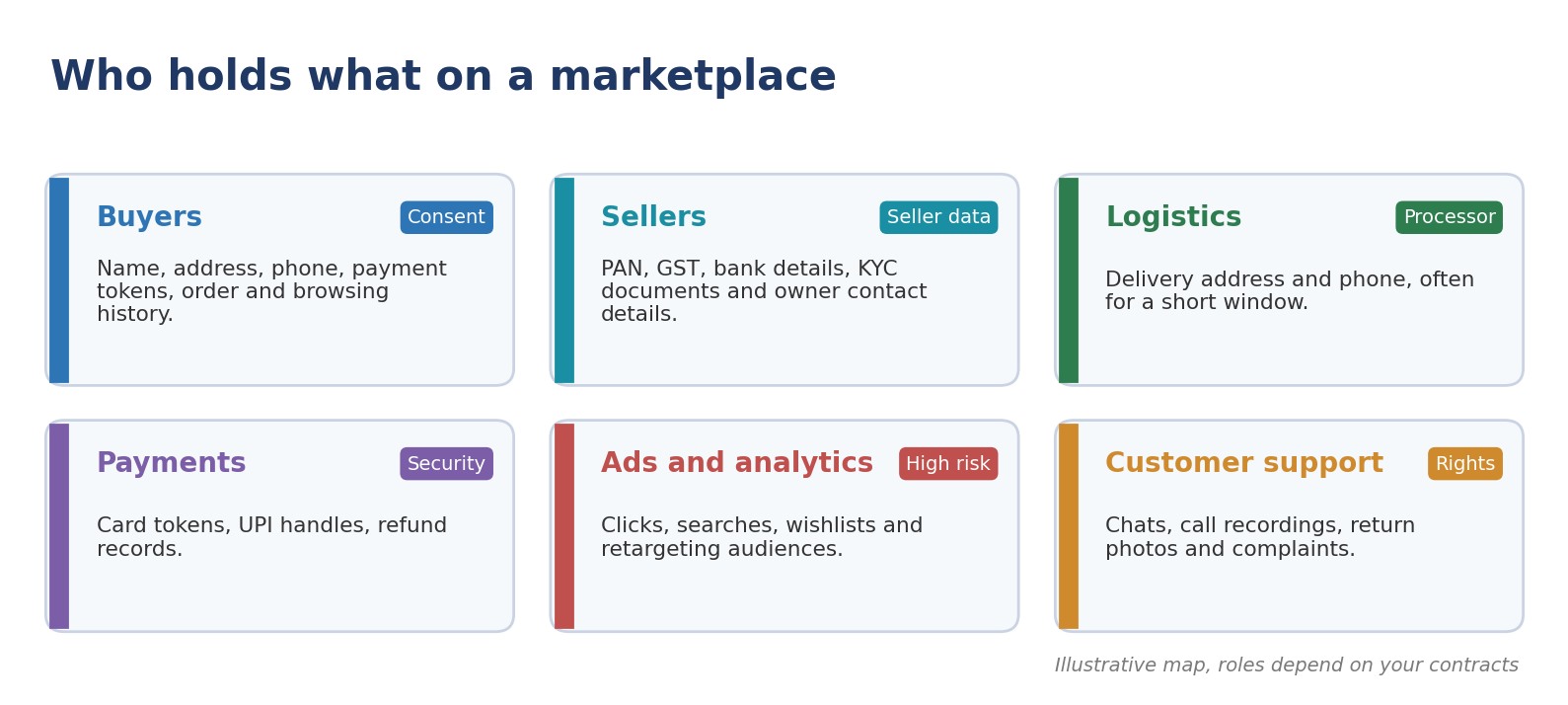
Figure 2. Who ends up holding which bits of data on a marketplace.
What it looks like when it’s done
Nothing fancy. A map of where buyer and seller data goes, a list of partners and their roles, honest consent screens, tight seller access, a deletion timetable and a breach plan you’ve actually rehearsed. Here’s a quick test: ask your seller ops head what a seller can still see a week after delivery. If they know straight away, good.
One line from a seller access policy, to make it real. Data: buyer phone number. Visible to seller: masked only. Access ends: when the return window closes. Exceptions: none. Owner: head of seller operations.
Who should be in the room
The founder or business head, because the trade-offs touch growth. The DPO, who runs the programme. Seller operations and category teams. Product and engineering. Marketing, who run the ad stack. And legal, for contracts with sellers and partners.
Don’t forget seller data
Funny thing is, most platforms guard buyer data and treat seller files like plain paperwork. But a lot of sellers are one person, or a husband-and-wife shop, so that PAN card, bank passbook and Aadhaar scan belong to real people. Keep KYC files locked, let only a few staff open them, and clear them out for departed sellers once the legal holding period is over.
Where marketplaces go wrong
The usual ways. They show sellers full phone numbers forever. They bundle marketing consent into checkout. They keep dormant accounts from 2016. They track and target users without checking whether some are under 18. And they assume the logistics partner handles its own data risks.
What to do this quarter
If you can only get to five things before the next big sale, start here.
- Follow one order and one new seller through your systems, start to finish.
- Write down what role each partner plays with the data.
- Hide buyer phone numbers on the seller dashboard.
- Kill the pre-ticked boxes at checkout.
- Check your user count and get ready for the three-year clean-up.
Want a shortcut? Consiva’s consent, data discovery and retention tools help marketplaces control what buyers and sellers share, and clear out what nobody needs anymore. Peek at the pricing page, or just talk to the team about your setup.
Frequently Asked Questions
Yes, any marketplace processing the digital personal data of people in India is covered. That includes both buyers and sellers who are individuals or small proprietors. Large marketplaces face extra duties, like deleting the data of inactive users. Some could also be notified as Significant Data Fiduciaries, bringing audits and a DPO based in India.
Yes, but only what’s needed to fulfil the order, and only for that purpose. A seller usually needs a name, a delivery address and perhaps a masked phone number. Sharing more than that, or letting sellers market to buyers without consent, creates real risk. Contracts should spell out what sellers can and can’t do with the data.
Under Rule 8 and the Third Schedule, e-commerce entities with at least two crore registered users in India have a deletion duty. They must erase a user’s data after three years with no activity from that user. You must warn the user at least 48 hours before deletion. Data you’re legally required to keep is not affected by this rule.
Yes, wherever sellers are individuals, sole proprietors or small firms run by people. A one-person shop’s PAN, bank account, Aadhaar copy and phone number are just as personal as any buyer’s. So guard them, use them only for what you collected them for, and delete them once you’re done. A leak of seller records is a personal data breach under the Act.
No, consent under the DPDP Act needs a clear affirmative action from the person. Pre-ticked boxes, bundled terms and confusing toggles don’t meet that standard. The Central Consumer Protection Authority’s dark patterns guidelines also target these practices. Ask about marketing on its own, and let people change their mind without hunting through menus.
Failing to take reasonable security safeguards can attract a penalty of up to ₹250 crore. Failing to report a breach to the Board and affected users can reach ₹200 crore. Breaches of children’s data rules can also go up to ₹200 crore. The Board decides the actual amount based on seriousness and your response.