
A policyholder files a health claim on a Tuesday. By Friday, his discharge summary has passed through a hospital desk, a TPA, two claims executives, a medical reviewer and an investigator’s WhatsApp. He has no idea who has seen what. Honestly, neither does the insurer.
That’s normal in insurance. Data moves a lot, and it moves through many hands.
The DPDP Act doesn’t ban any of that. But it does expect someone to be in charge of it. Here’s what DPDP compliance for insurance companies actually involves, in plain terms.
Why insurance gets more attention than most
Insurers sit on some of the most personal data there is. Health histories, income, family members, nominees, bank details, sometimes even lifestyle habits. And there’s a lot of it, collected over policies that can run for decades.
That combination of volume and sensitivity is exactly what the government looks at when it decides who to notify as a Significant Data Fiduciary. Large insurers should assume they’re likely candidates. SDFs need a Data Protection Officer based in India, an independent data auditor, and a yearly impact assessment and audit.
Most core DPDP duties start on 13 May 2027. Penalties go up to ₹250 crore for weak security and ₹200 crore for failing to report a breach. Those numbers get a board’s attention quickly.
There’s also the shift to digital. Insurers now sell through apps, bank websites, aggregators and embedded partners at checkout. Every new channel adds another place where personal data gets collected, copied and stored. Without a clear map, it’s very easy to lose track of where a customer’s details have ended up, and that’s usually where the trouble starts.
Why the CEO should care
Insurance runs on trust. People hand over their medical history because they expect a claim to be paid when life goes wrong. A leak or a misuse of that data breaks the deal at the root.
There’s a commercial point too. Banks, employers and digital partners who distribute your products will ask how you handle data before they sign. Clean answers shorten those conversations.
What the law expects from an insurer
The DPDP Act sits on top of the rules you already follow, not in place of them. You still have IRDAI’s regulations on cyber security, outsourcing and policyholder protection. You still have CERT-In’s six-hour reporting rule for cyber incidents. Where the DPDP Act and another law clash, the DPDP Act generally wins, but mostly they just stack.
| The law says | You decide | |
|---|---|---|
| Consent | Free, specific, informed, for a stated purpose | How you split purposes like underwriting and marketing |
| Partners | You stay responsible for processors | Contracts and checks for each intermediary |
| Retention | Erase once the purpose ends, unless law needs it | Schedules that match IRDAI record rules |
| Breaches | Tell the Board and affected people | One process that also covers CERT-In |
Illustrative summary of the DPDP Act and Rules, not legal advice.
Here’s a point that confuses people. Not every partner is your processor. A broker or a hospital may be a separate Data Fiduciary for its own purposes. Work out the role of each one, because that decides who owes what to the customer.
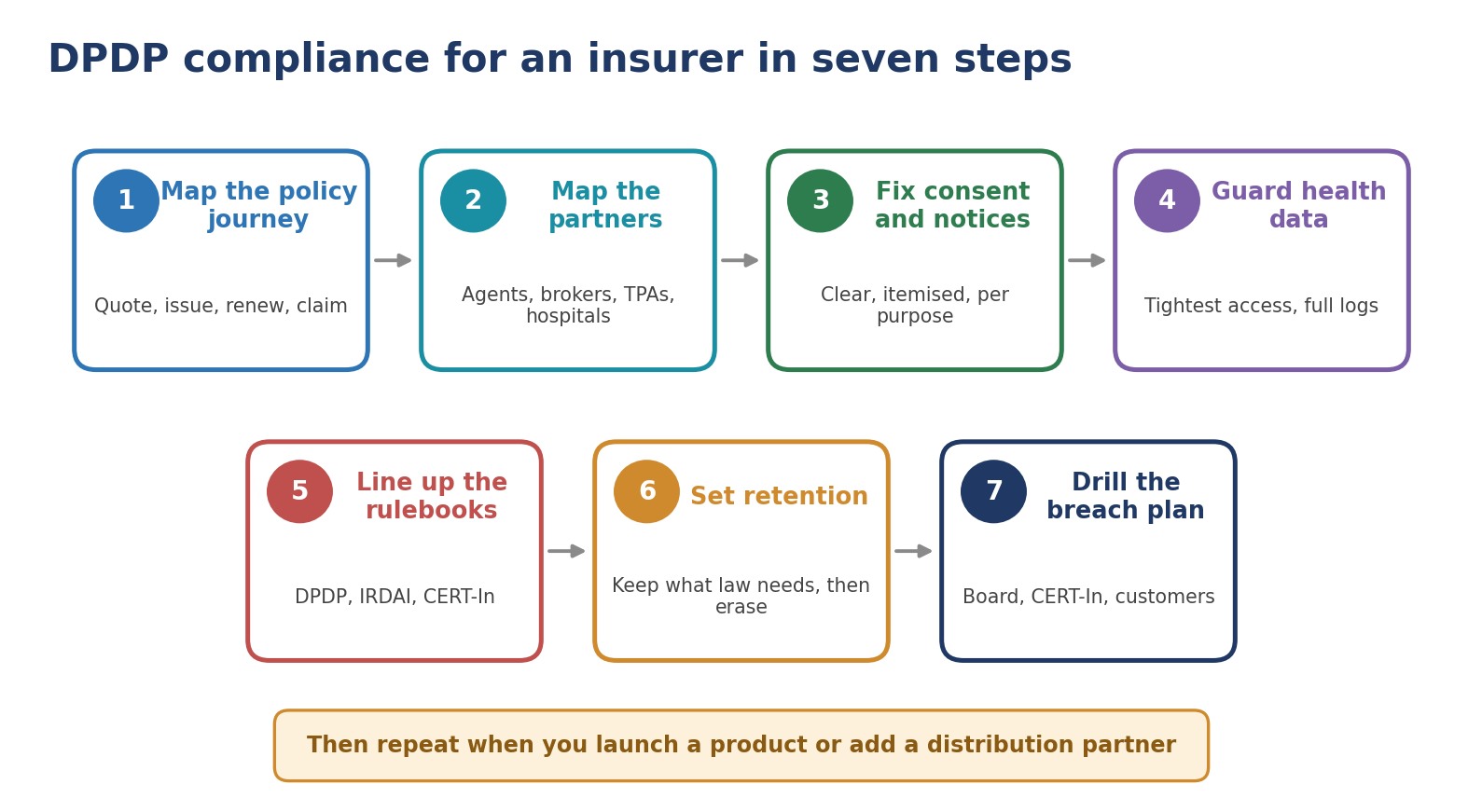
Figure 1. DPDP compliance for an insurer in seven steps.
Running DPDP compliance for insurance companies in seven steps
Here’s a practical order that works for life, health and general insurers.
1. Map the policy journey. Follow the data from quote to proposal, underwriting, issuance, renewal and claim. Note what you collect at each point and why. Many insurers find they collect medical details long before they actually need them.
2. Map the partners. List every agent, broker, aggregator, TPA, hospital, investigator, reinsurer and call centre. Decide whether each is your processor or a separate fiduciary, and put the right contract in place.
3. Fix consent and notices. A customer agreeing to underwriting isn’t agreeing to cross-selling. Split purposes clearly, write notices in plain language and offer them in the languages your customers use.
4. Guard health data. Medical records deserve the tightest controls you have. Limit who can see them, encrypt them, keep access logs for at least a year and review them. Stop claims documents travelling on personal phones.
5. Line up the rulebooks. Map DPDP duties against IRDAI and CERT-In requirements so teams follow one process, not three. A single control can often satisfy all of them at once.
6. Set retention. Some policy and claim records must be kept for long periods under sector rules, and that’s fine. But rejected proposals, old leads and duplicate KYC copies usually don’t need to sit around forever.
7. Drill the breach plan. Practise a breach that hits a TPA or an agent’s laptop. Who tells CERT-In within six hours? Who tells the Data Protection Board and affected policyholders? Run it once a year at least.
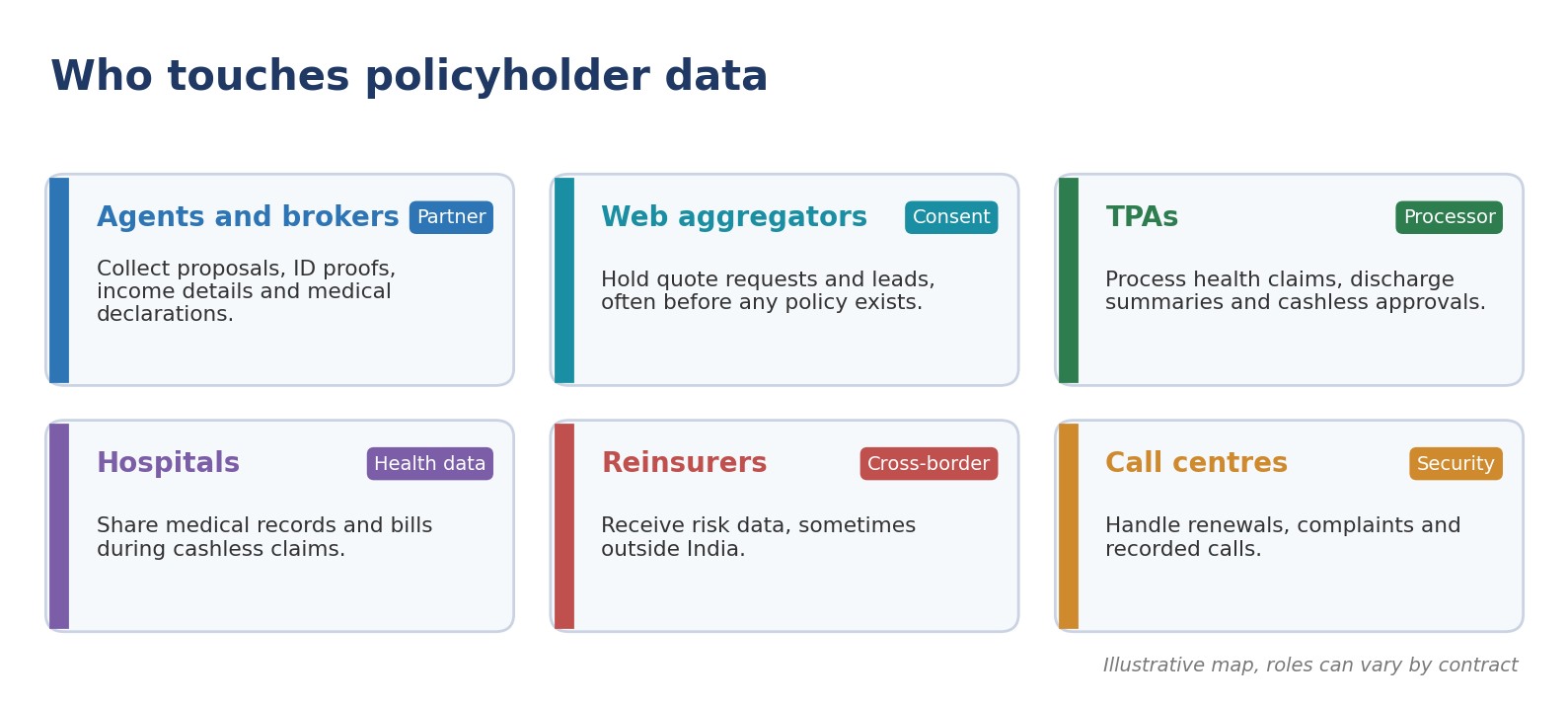
Figure 2. Who touches policyholder data, and the issue that matters most for each.
What good looks like
A data map across products, a partner register showing each party’s role, purpose-specific notices, a health data access policy, a retention schedule tied to IRDAI rules and a tested breach plan. If your claims head can explain where a single claim file travels, you’re in good shape.
One line from a partner register, to make it real. Partner: TPA for retail health. Role: processor. Data: claims and medical records. Contract: signed, with deletion clause. Last review: March 2027. Owner: head of claims.
Who should be in the room
The CEO or a senior business head, because the risk calls are commercial. The DPO, who runs the programme. Claims and underwriting, who handle the most sensitive data. Distribution, who manage agents and partners. IT and the CISO. And compliance, who already know the IRDAI side well.
Family, nominees and children
Insurance data is rarely about one person. A family floater covers a spouse, parents and often children. A life policy names a nominee who never signed anything. Children under 18 need verifiable parental consent, which in practice usually comes from the proposer. Tell family members what you hold where you reasonably can, and collect only what the policy actually needs.
Where insurers go wrong
The same handful of ways. They bundle marketing consent into the proposal form. They let agents keep customer files on personal phones. They treat TPAs as “their problem“. They send medical reports over open email. They keep every lead from every campaign forever. And they run separate breach processes for CERT-In, IRDAI and the Board that nobody has ever tested together.
What to do this quarter
Five things, in this order.
- Map one product’s journey from quote to claim.
- Build a register of every partner and their role.
- Separate underwriting consent from marketing consent.
- Lock down access to health and claims records.
- Run a joint breach drill with your biggest TPA.
If you want a head start, Consiva’s consent management, data discovery and breach workflows help insurers see where policyholder data sits and respond fast when something goes wrong. Take a look at the pricing page, or talk to the team.
Frequently Asked Questions
Yes, every insurer that processes digital personal data in India is covered by the DPDP Act. It applies alongside IRDAI regulations and CERT-In’s directions, not instead of them. Because insurers handle large volumes of health and financial data, many could be notified as Significant Data Fiduciaries. That would bring extra duties like a DPO in India and yearly audits.
Not always, and that’s why roles need careful mapping. A partner acting only on your instructions is usually your processor, and you remain responsible for its mistakes. A broker or hospital using data for its own purposes may be a separate Data Fiduciary. Write the role into each contract, and match the security and deletion terms to it.
As long as the purpose needs it, or as long as another law requires. IRDAI and other sector rules require many policy and claim records to be kept for long periods. The DPDP Act expects you to erase data once those needs end. A clear retention schedule per record type keeps you on the right side of both.
In most cases, yes, consent is the main basis for collecting health information for underwriting and claims. That consent must be specific to the purpose and backed by a clear notice. Medical emergencies and some legal obligations have their own grounds under Section 7. Using health data for marketing or unrelated analytics needs fresh, separate consent.
Inform affected policyholders and the Data Protection Board without delay. Send a detailed report to the Board within 72 hours. You may also need to report cyber incidents to CERT-In within six hours, and follow IRDAI’s own rules. A single tested process for all three saves precious hours when it actually matters.
Failing to take reasonable security safeguards can lead to a penalty of up to ₹250 crore. Failing to report a breach can reach ₹200 crore, and SDF breaches up to ₹150 crore. The Data Protection Board sets the actual amount based on seriousness, duration and your response. Sector regulators can still act separately under their own rules.