A new joiner sits down on day one. Before lunch, she has handed over her PAN, Aadhaar, bank details, a cancelled cheque, three years of salary slips, her father’s phone number and a scan of her degree. Then IT installs software on her laptop that logs every website she visits.
Nobody asked whether all of that was needed. It’s just what onboarding looks like.
Companies obsess over customer data and forget the people inside the building. The DPDP Act doesn’t. Here’s what employee data privacy under the DPDP Act asks of HR.
Does the Act even cover employees?
Yes. Employees, contractors, interns and job applicants are all Data Principals, and their data is personal data like anyone else’s. There’s no special HR exemption.
What you do get is a break on consent. Imagine asking every employee for permission before running payroll. Silly, right? Section 7 agrees. It lets you use staff data for employment purposes without a consent form, and also to protect the company from loss, think someone walking off with client lists or source code. Same goes for a benefit the employee asked for, like adding a spouse to the group health cover.
Here’s the catch, though. Skipping consent is the only thing that shortcut buys you. The data still has to be locked up properly, kept correct, used for what you said, cleared out when you’re done with it, and reported if it leaks. Those duties bite from 13 May 2027. And if a careless HR setup lets salary files walk out the door, the penalty can go as high as ₹250 crore.
Why HR leaders should care
Salary, health claims, disciplinary notes, bank details. When that leaks, it hurts people who trusted you with their livelihood, and they still have to work with you on Monday.
Good candidates notice this stuff too.
What the law says about employee data
A simple way to think about it: there’s the stuff you can’t run a company without, and then there’s everything else. Payroll, attendance, PF and tax filings sit in the first pile, and the legitimate use ground usually covers them. Putting someone’s face on the careers page, or handing their details to a wellness app they never signed up for? Second pile. You’ll want proper consent for that.
| The law says | You decide | |
|---|---|---|
| Basis for processing | Employment purposes are a legitimate use | Which activities really fall inside that |
| Retention | Erase once the purpose is served, unless law requires it | Your schedule for each record type |
| Security | Reasonable safeguards, including logs | Who in HR and IT can see what |
| Grievances | A working way to raise complaints | Whether HR or the DPO handles them |
Illustrative summary of Sections 7 and 8 and the DPDP Rules, not legal advice.
Recruitment is the grey zone. Is a candidate you never hire covered by “employment purposes“? Views differ. Background checks reach out to third parties, so most firms simply take consent for them.
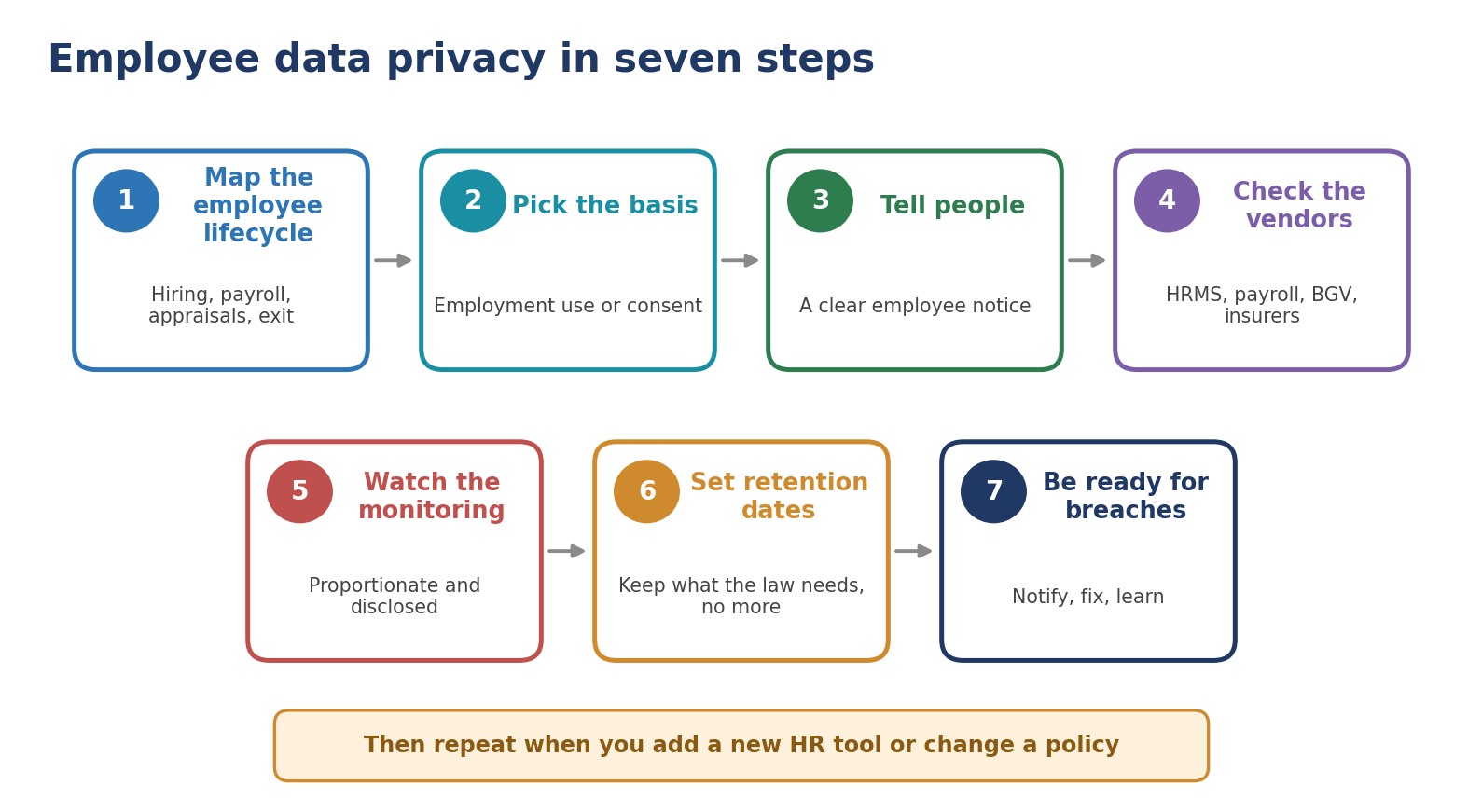
Figure 1. Employee data privacy under the DPDP Act in seven steps.
Building employee data privacy under the DPDP Act, step by step
Here’s an order that works for most HR teams.
1. Walk the employee’s path. Take one imaginary hire from the day their CV lands to the day they collect a relieving letter. Every time their data changes hands, jot down what it was, why you took it, where it now lives and who can open it. Don’t skip the shared drives. That’s usually where the surprises are.
2. Pick the right basis. Label each activity as either a legitimate employment use or something that needs consent. Salary is clearly employment. A birthday post with photos on the company’s Instagram is not.
3. Tell people what you do. A notice isn’t strictly required for every legitimate use, but writing one is still smart. A short employee privacy notice in the induction pack prevents a lot of awkward questions later.
4. Check the vendors. HRMS, payroll, BGV agencies and insurers all process data for you. Under the Act, their mistakes are still your responsibility. Sign proper contracts, and ask how they store and delete data.
5. Watch the monitoring. Protecting the business from loss is a legitimate use, but it isn’t a blank cheque. Keep monitoring proportionate, tell employees it’s happening, and don’t read personal chats just because you can.
6. Set retention dates. Labour, tax and PF laws need some records kept for years, and that’s fine. But rejected CVs from 2019? Old ID scans of people who left? Delete them once the purpose is done and no law needs them.
7. Be ready for breaches. A leaked salary sheet is a personal data breach. You’ll need to tell affected employees without delay, and the Data Protection Board too, with a detailed report within 72 hours. Practise it once.
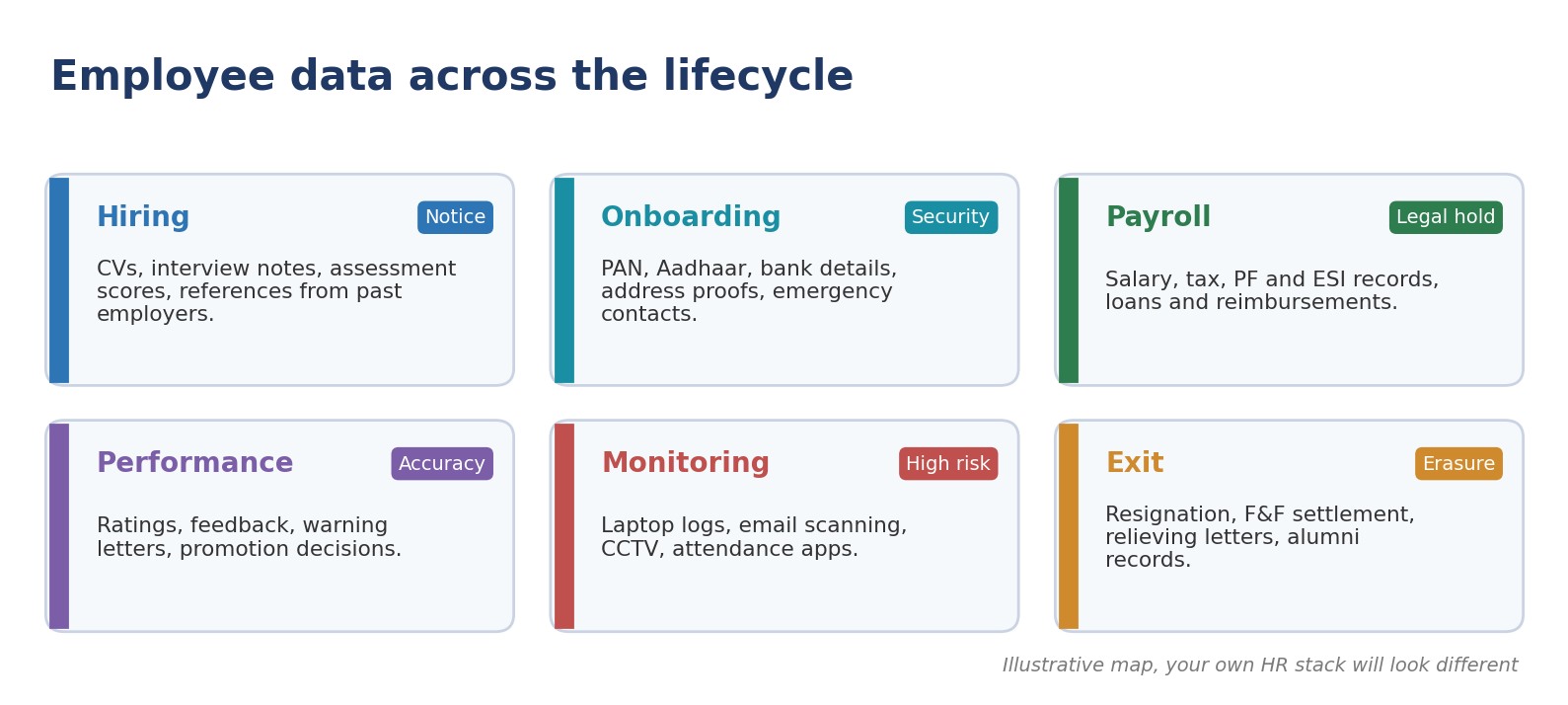
Figure 2. What HR collects at each stage, and the rule to watch.
What good looks like
A short employee data map, a notice in the induction pack, signed contracts with HR vendors, a written monitoring policy, a retention schedule and a breach plan. If your CHRO can explain it without notes, you’re fine.
One line from a retention schedule, to make it real. Record: unsuccessful candidate CVs. Purpose: filling the role. Keep for: six months after the role closes. Then: delete. Owner: talent acquisition lead.
Who needs a seat at the table
Your CHRO, obviously, since the data and the people relationships sit with HR. The DPO, or whoever leads privacy, to keep the process honest. IT and security, who decide who gets access and what gets monitored. Legal, for the messy bits around hiring and background checks. And someone from finance, because payroll touches almost everything.
AI in hiring needs extra care
CV screening tools, video interview scoring and attrition predictors are popping up everywhere. They’re useful, but they make or shape decisions about real people. If the data feeding them is old or patchy, the decisions will be too, and the Act does expect data used to decide things about people to be accurate and complete. So grill the vendor a little. What goes into the tool? How long does it hang on to it? And be upfront with candidates that a tool is involved.
Where HR teams go wrong
The usual suspects. They keep ex-employee data forever “just in case“. They email salary sheets as open attachments. They give every HR executive access to every employee file. They assume a background check vendor is someone else’s problem. And they roll out monitoring tools without telling anybody, then wonder why trust drops.
What to do this quarter
Five things, in this order.
- Map every place employee data lives, including shared drives.
- Sort each HR activity into legitimate use or consent.
- Pull out your HRMS, payroll and BGV contracts and read the data clauses.
- Write down how long each type of record stays, then clear out the old stuff.
- Publish a short employee privacy notice and grievance contact.
Want to skip some of the legwork? Consiva’s data discovery tracks down employee data hiding across your systems, and its ROPA and retention tools help you hang on only to what the law asks for. You can check the pricing page or simply talk to the team whenever it suits you.
Frequently Asked Questions
For the everyday stuff, no. Payroll, attendance, statutory filings and protecting the business from things like data theft all fall under the employment legitimate use in Section 7. It changes for anything extra, say using staff photos in an ad or sharing details with an outside app. For those you’ll want real consent, and stretching “employment purposes” to dodge that is exactly what a regulator would pick at.
It does. A candidate’s CV and your interview notes are personal data, even if you never hire them. What’s less clear is whether the employment ground stretches to people who never joined, and lawyers don’t fully agree on it. So most firms play safe with a short notice and consent, especially before background checks. And once the role is filled, those old CVs really shouldn’t sit in someone’s inbox for years.
Only as long as there’s a reason. Some reasons are written into law, since tax, PF, gratuity and labour rules make you keep certain records for years, and that’s fine. Past that point, the DPDP Act wants the data gone. A simple table listing each record type and how long it stays saves everyone from guessing later, and makes the clean-up almost boring.
Yes, up to a point. Guarding against data theft or leaked trade secrets is a recognised legitimate use, so basic monitoring is defensible. But it has to fit the risk. Put it in a written policy, tell people it’s happening, and don’t go reading anyone’s personal chats just because the software lets you. Overdo it and you’ll struggle to justify it if an employee complains.
Your company stays responsible as the Data Fiduciary, even when a vendor does the processing. HRMS, payroll and background check providers are your Data Processors under the Act. You need a valid contract with each of them that covers security and deletion. If they suffer a breach, you’ll still have to notify affected employees and the Data Protection Board.
A leak of employee data is a personal data breach like any other. You must inform affected employees without delay and tell the Data Protection Board too. A detailed report to the Board is due within 72 hours. Failing to take reasonable security safeguards can attract a penalty of up to ₹250 crore, so prevention matters.