Friday, twenty to midnight. Most of the office went home hours ago. Someone on the support team pings the IT channel. A customer has sent a screenshot of her own order history, found on a public site. Then another customer sends one. Then five more.
So, who picks up the phone first? Does anyone have the authority to pull the plug on a live system at midnight? And if the regulator needs to hear about this, whose job is that, and what on earth do they say?
If nobody knows, the next few hours will be very long. That’s what personal data breach management is about: knowing the answers before the phone rings.
What counts as a personal data breach
The Act casts a wide net here. If personal data gets handled by someone who shouldn’t touch it, or gets leaked, shared, changed, wiped or locked away by accident, and that hurts its secrecy, accuracy or availability, you’ve got a breach. So it isn’t just hackers. An email sent to the wrong list is a breach. So is a lost laptop or a ransomware attack that locks you out of your own records.
There’s also no size threshold. One affected person or one million, the reporting duty is the same.
One more wrinkle. Plenty of companies hold data for someone else, like a payroll firm with its clients’ staff records. When that leaks, the people affected may never have heard your name. So who tells them, you or your client? Your contracts usually answer that. Dig them out on a quiet Tuesday, not at 1 am mid-incident.
Why leadership should care
Failing to report a breach properly can draw a penalty of up to ₹200 crore. Failing to have reasonable security in the first place can go up to ₹250 crore. These duties start on 13 May 2027, along with most of the Act.
But the bigger cost is trust. Customers often forgive a breach handled honestly and quickly. They rarely forgive one they read about first in the news.
What the law says you must do
Rule 7 of the DPDP Rules sets two tracks. First, tell every affected person without delay, in clear, plain language. Say what happened, the likely consequences, what you’re doing about it, what they can do to protect themselves and who they can contact.
Track two is the Data Protection Board. A first heads-up goes in without delay, and then you’ve got 72 hours to follow it with the full story: what happened, why, what you’ve done, who was behind it if you know, and how you’re fixing it. Need longer? Ask the Board in writing, and it can say yes.
| The law says | You decide | |
|---|---|---|
| What to report | Every personal data breach, no threshold | How you detect and log them |
| People | Inform affected individuals without delay | Channel, wording and language |
| Board | Intimation without delay, report in 72 hours | Who drafts and approves it |
| Records | Keep logs to support investigation | Tools and retention for logs |
Illustrative summary of Section 8(6) and Rule 7, not legal advice.
Don’t forget CERT-In. Its directions already require many cyber incidents to be reported within six hours. Banks, insurers, telecoms and others may have sector regulators to tell as well. Build one plan that covers them all.
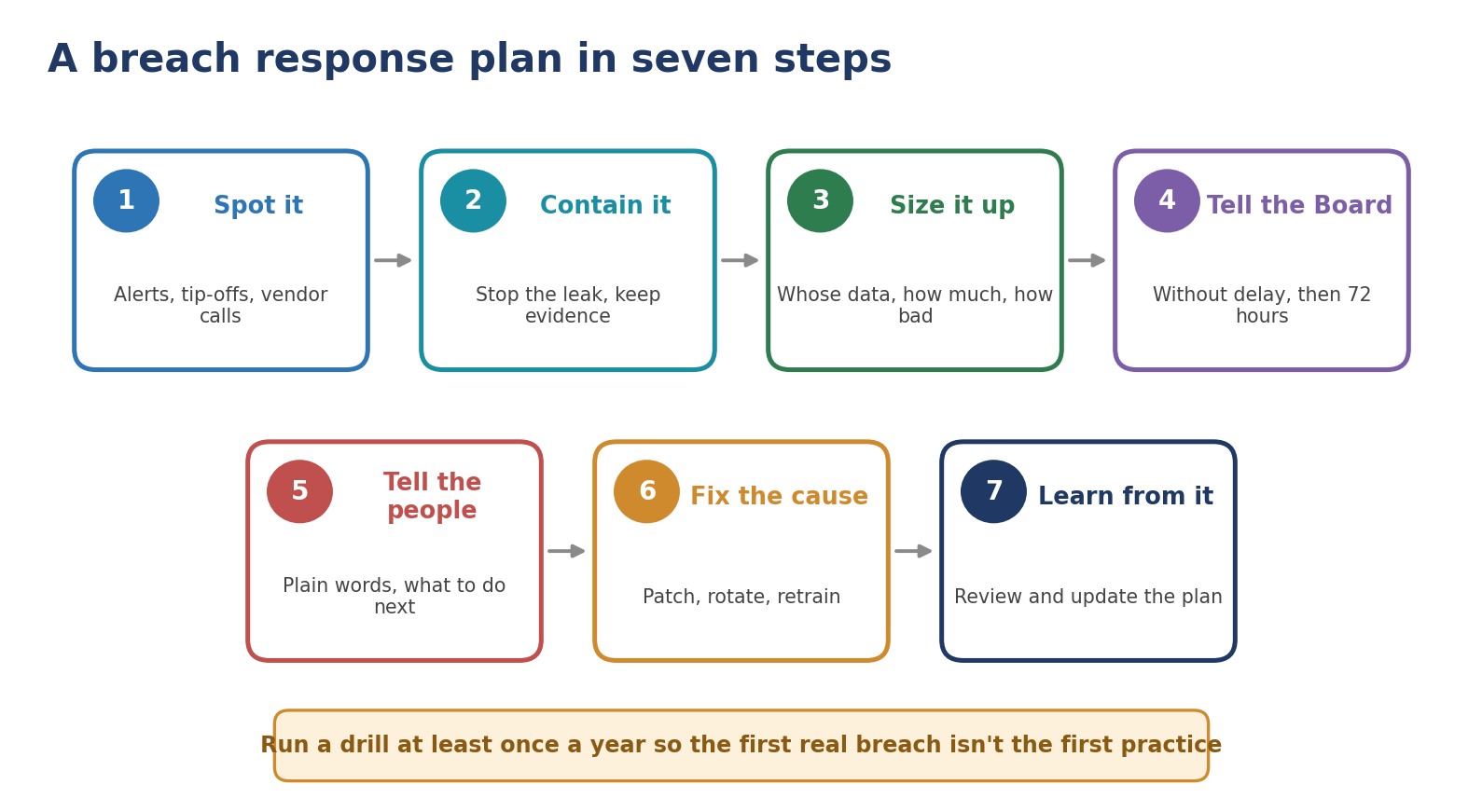
Figure 1. A personal data breach response plan in seven steps.
Personal data breach management, step by step
Here’s how the response should run, from first alert to final review.
1. Spot it. Breaches arrive through alerts, customer complaints, vendor emails or even a journalist’s call. Make sure every route ends with the same incident team, and start a written log from minute one.
2. Contain it. Stop the leak first. Revoke access, take a server offline, reset keys, pull a misdirected file. But preserve evidence, because you’ll need it for the 72-hour report.
3. Size it up. Whose data was affected, what kind, how many people, and how could it hurt them? Financial details, health records and children’s data raise the stakes sharply.
4. Tell the Board. Send the initial intimation without delay. Don’t wait for every fact. Then build the detailed report as the investigation moves, so you’re ready well before 72 hours run out.
5. Tell the people. Skip the jargon. Tell people, in words their parents would follow, what’s happened and what to do now, whether that’s changing a password or ignoring calls that claim to be from the bank. And sign off with a real person they can reach, not a no-reply inbox.
6. Close the gap. Patch whatever let it happen. Change passwords and keys, tighten the vendor contract, sit down with the team involved. Then go looking for the same weak spot elsewhere, because it’s rarely in just one place.
7. Look back honestly. A few weeks on, get everyone in a room, with no finger-pointing. What worked? Where did you lose an hour? Fold those answers into the plan and run another drill.
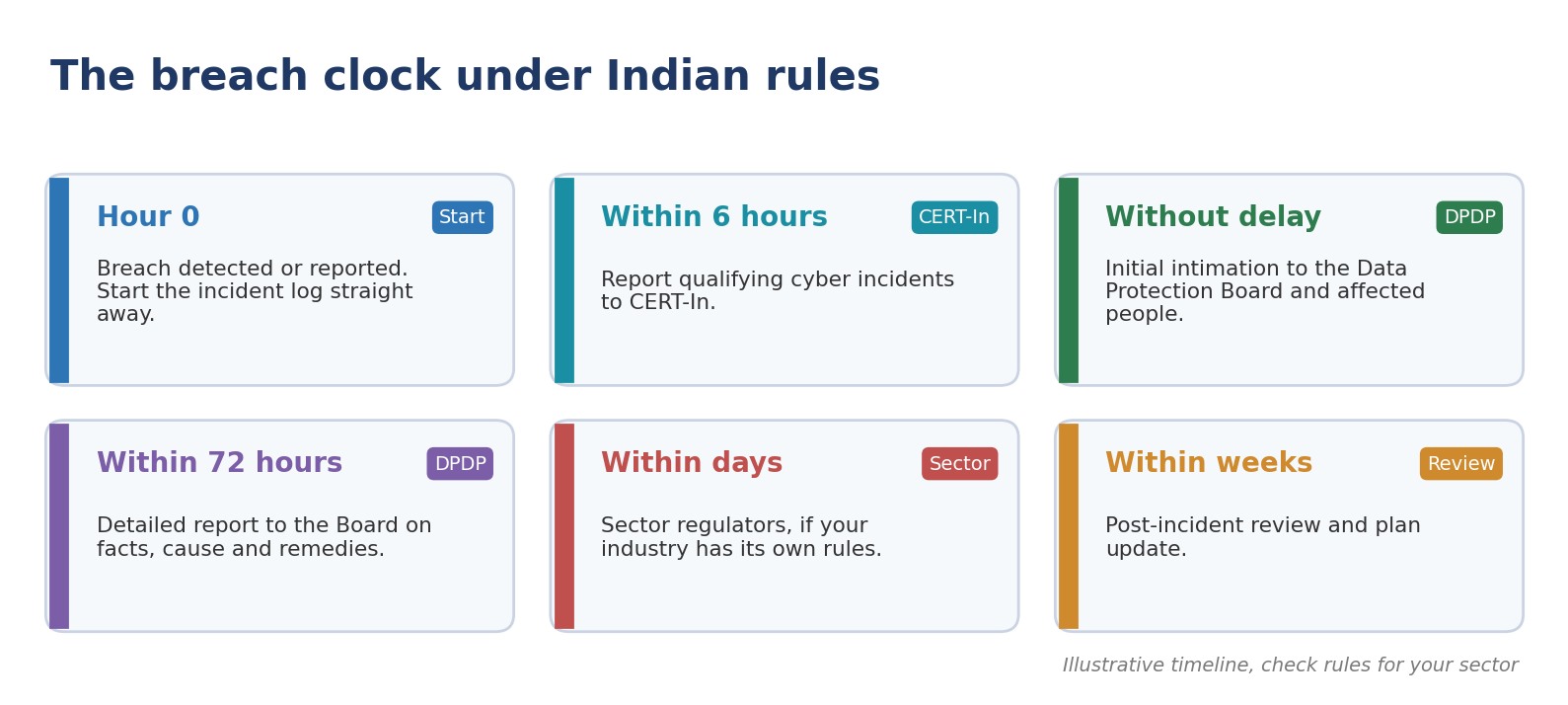
Figure 2. The breach clock under Indian rules, from detection to review.
What a good response plan looks like
A few pages. Named leads, midnight phone numbers, draft notices for the Board, CERT-In and customers, and who signs off each one. If a new manager could use it at 2 am, it’s enough.
One line from an incident log, to make it real. Time: 23:52. Event: public link to order export found. Action: link disabled, bucket locked. By: cloud lead. Next: count affected records.
Who should be on the incident team
An incident lead with authority to make fast calls. Security and IT, who contain and investigate. The DPO, who handles the Board and the affected people. Legal, for the wording and any liability questions. Communications, for customers and media. And a senior executive who can approve decisions without waiting for Monday.
Vendors are part of your plan
A lot of breaches happen at a vendor, not inside your own walls. Under the Act, you’re still responsible to the people whose data it was. So your contracts should require vendors to tell you quickly, often within 24 hours, and to help with the investigation.
Where breach response goes wrong
The patterns repeat. Teams wait for perfect facts before telling anyone. They wipe the affected system and destroy the evidence. They send customers vague notices full of legal language. They forget the vendor contract has no notice clause. And nobody ever practised.
What to do this quarter
Five things, in this order.
- Name an incident lead and a deputy for out-of-hours breaches.
- Draft templates for the Board, CERT-In and affected people.
- Dig out your main vendor contracts and see if they even mention breach notice.
- Ask IT how long access logs are kept. The answer should be a year or more.
- Book two hours for a mock breach, and get the whole team in the room.
Rather not track all of this by hand? Consiva’s breach workflow keeps an eye on the 72-hour clock, holds your evidence in one place and helps you write notices people can actually understand. Have a look at our pricing page or just talk to the team if you’d like to see it in action.
Frequently Asked Questions
Broadly, it’s any time personal data is handled by someone who shouldn’t have it, or is leaked, shared, changed, wiped or made unavailable by accident. If that damages its secrecy, accuracy or availability, the Act treats it as a breach. That covers hacks, but also misdirected emails, lost devices and ransomware. There’s no minimum size, so even a breach affecting one person must be reported.
Under Rule 7, you must inform every affected Data Principal without delay. You must also tell the Data Protection Board without delay, then send a detailed report within 72 hours. Many cyber incidents also need reporting to CERT-In within six hours. Regulated sectors like banking and insurance may have their own regulators to inform as well.
Start with what happened, in everyday words: when it happened, and roughly how much data and how many people it touched. It should explain the likely consequences for the person and what you’re doing to reduce the harm. It must also tell them what they can do to protect themselves. Finally, give a contact who can actually answer their questions.
Send the initial intimation without delay anyway, and keep working on the detailed report. If you ask in writing, the Board can give you longer than 72 hours. Say why you need the extra time and what you’ve managed so far. Honestly, a short, candid update beats going quiet and missing the deadline every single time.
Yes, as the Data Fiduciary you remain responsible for data your processors handle on your behalf. You’ll still need to notify the Board and the affected people. That’s why vendor contracts should require prompt notice, often within 24 hours, and full cooperation. Check your key vendors’ own breach plans before you actually need them.
Failing to notify the Board or affected people can attract a penalty of up to ₹200 crore. Fall short on basic security and the ceiling is ₹250 crore. The Board settles the real figure after weighing how serious things were and how you reacted. Moving fast, being straight with people and keeping notes all count in your favour.